 FA
FA
In recent decades, trade and investment relations between Iran and China have experienced remarkable growth. This expansion, particularly in the form of EPC contracts, energy, infrastructure, and international trade agreements, has naturally led to an increase in contractual disputes. International arbitration, as the principal mechanism for dispute resolution, plays a crucial role in ensuring legal security and predictability for both parties.
Within this context, the analysis of arbitral awards rendered in disputes between Iranian and Chinese parties not only contributes to understanding the practical approaches of tribunals but also provides a valuable foundation for deriving doctrinal and practical insights aimed at preventing future disputes and improving contractual drafting practices.
Conceptual Framework and Methodology of Arbitral Award Analysis

The analysis of arbitral awards is not merely a restatement of the outcome or identification of the prevailing and unsuccessful parties. It is an in-depth and multi-layered process that seeks to uncover the legal reasoning underpinning the award, the reasoning structure of the tribunal, and the interaction among various legal and non-legal factors influencing decision-making.
In this framework, the arbitral award is treated as a “legal–cultural text”, in which the governing law, contractual stipulations, trade usages, and the cultural or institutional predispositions of arbitrators and parties simultaneously interact.
In disputes between Iranian and Chinese entities, this analytical approach acquires particular importance, as arbitrators must strike a balance between distinct legal systems—such as Iran’s codified legal framework with its roots in civil law and Islamic jurisprudence, and China’s hybrid system, combining codified law, administrative practice, and pragmatic considerations. Examining how arbitrators invoke legal sources, apply general principles of international commercial law, and interpret concepts such as good faith, contractual obligation, or breach consequences provides a clear picture of arbitral reasoning patterns in Sino-Iranian relations.
Methodologically, this paper employs a qualitative and analytical approach, focusing on the text of the award, the tribunal’s reasoning structure, and even meaningful silences or omissions. A mere focus on outcome, without exploring the reasoning process, yields little educational value for legal and commercial practitioners. Understanding the reasoning path allows for more accurate risk assessment and the drafting of more precise and anticipatory contracts. The analysis proceeds from the premise that arbitral awards represent a valuable empirical source for extracting “practical doctrines” applicable to the management of Iran–China disputes.
Criteria for Selection of Arbitral Awards
This study focuses on awards that genuinely reflect the operational realities of Iran–China commercial and contractual cooperation.
Subject matter: The selected awards concern trade or EPC project disputes between Iranian and Chinese entities, given that these contracts constitute the most substantial segment of bilateral economic cooperation and often involve technical, financial, and legal complexities.
Institutional diversity: The awards originate from both institutional and ad hoc arbitrations, including cases conducted under CIETAC Rules or other international frameworks. This institutional diversity is significant because differences in procedural rules, administrative culture, and arbitral attitudes may influence tribunals’ reasoning and outcomes.
Evidentiary complexity: The selected awards involve significant interpretive issues concerning documentary evidence, correspondence, and contract execution. Since many Iran–China disputes arise from conflicting interpretations of daily operational documents rather than explicit contract clauses, such awards are particularly insightful for identifying best practices in risk mitigation and contractual management.
Thematic Analysis of Disputes in Iran–China Arbitration
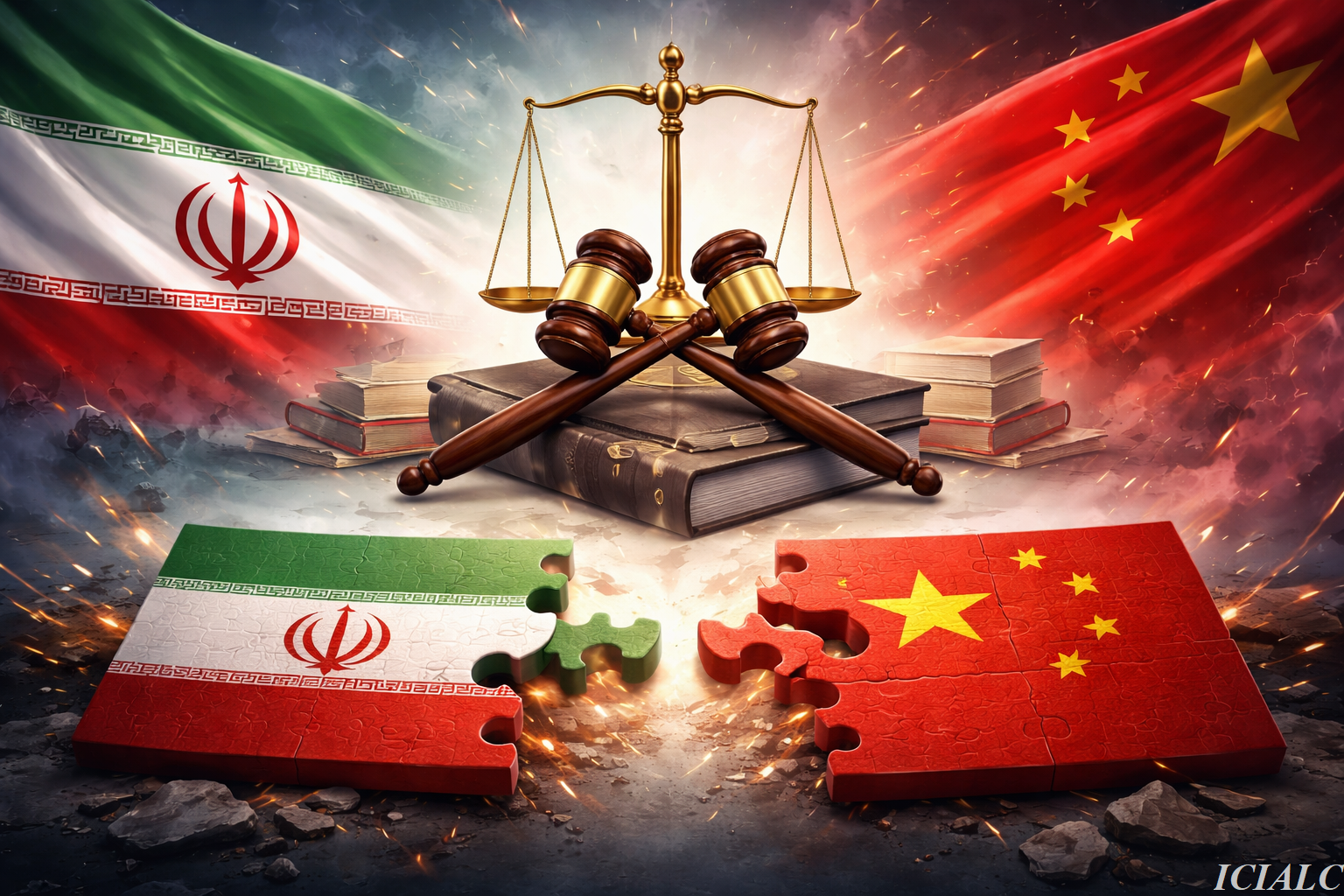
A study of multiple arbitral awards arising from disputes between Iranian and Chinese parties reveals recurring themes despite the singularity of each case. These patterns highlight structural challenges in contract drafting and performance, project management, and differing perceptions of legal and commercial obligations. The thematic analysis helps categorize risks and design more effective preventive mechanisms. The principal categories of disputes are outlined below.
Disputes Arising from EPC Contracts
A significant portion of the awards concerns EPC contracts, which, due to their complexity, long-term nature, and multidimensional scope, are particularly dispute-prone. Frequent issues include delays in execution, unforeseen cost increases, scope changes (variation orders), and disagreements over price adjustments.
Tribunals have focused closely on precise contractual language, particularly in relation to scheduling, variations, force majeure, and price adjustment mechanisms. Where clear contractual provisions existed, arbitrators relied primarily on the contract text, showing minimal inclination to invoke extracontractual considerations. Conversely, ambiguities in variation or compensation clauses led arbitrators to refer to industry practices and general principles of international commercial law.
A notable pattern in Iran–China EPC disputes is the emphasis placed by tribunals on documentation and procedural compliance. Many disputes centered not on whether a variation or delay occurred, but whether it was duly notified and documented as required under the contract. This underscores the vital role of contractual project management and comprehensive recordkeeping.
Payment and Financial Guarantee Disputes
Another recurrent category involves non-payment and financial guarantee issues—such as delays in payment of claims, disagreements over release of performance bonds, or currency of payment. These disputes often stem from combined economic, banking, and legal factors and are sometimes aggravated by sanction-related constraints.
Tribunals in these cases frequently referred not only to the contract but also to principles such as good faith, contractual balance, and international commercial norms. For example, in cases where employers declined to release guarantees based on formalistic interpretations, arbitrators occasionally invoked purposive interpretation to prevent abuse of rights, particularly when the contractor had substantively fulfilled its obligations.
Moreover, disputes over currency payment and conversion highlight the systemic differences between Iranian and Chinese financial frameworks. Arbitrators have endeavored to reconcile these differences through contractual intent, prevailing payment practices, and equitable reasoning—emphasizing the importance of precise financial planning at the drafting stage.
Interpretation of Arbitration Clauses
Ambiguities in arbitration clauses constitute one of the main sources of procedural disputes between Iranian and Chinese partners. Unclear designations of the arbitral forum, governing law, or arbitration language have frequently resulted in jurisdictional objections and protracted proceedings. Such ambiguities often stem from model clauses or imprecise bilingual translations.
Tribunals generally adopt a pro-arbitration, efficacy-oriented interpretation, striving to uphold the arbitration agreement wherever reasonably possible, consistent with established doctrines such as the principle of separability and the effective interpretation rule. However, certain awards also demonstrate that severe ambiguity can generate costly jurisdictional disputes—illustrating the critical need for precision in drafting arbitration clauses.
Evaluation of Evidence and Documentary Proofs

Assessment of documentary evidence represents one of the most nuanced aspects of the examined awards. Given the technical, financial, and procedural complexity of EPC contracts, the evidentiary record is typically extensive, and the tribunal’s approach to evidence evaluation is central to the outcome.
In Iran–China disputes, differing documentation cultures and communication styles significantly affect evidentiary presentation and assessment. Arbitrators have sought to balance due process guarantees with commercial pragmatism, aiming to reflect the realities of international commerce while maintaining procedural fairness.
Informal Electronic Communications
Emails, informal messages, and internal project reports often play crucial roles in proving or disproving claims. In many China-related arbitrations, tribunals adopted a flexible evidentiary approach, accepting such communications provided authenticity, authorship, and relevance could be established. Arbitrators typically examined message chains, timestamps, and their consistency with other evidence.
Nonetheless, informal correspondence was treated primarily as contextual evidence—clarifying contractual intent rather than supplanting the written contract itself. This demonstrates that while tribunals recognize commercial realities, the contract remains the central evidentiary reference point. Consequently, careful drafting and archival management of electronic communications are vital for dispute preparedness.
Translation of Documents
Translation of contracts and correspondence constitutes a persistent challenge in bilingual Iran–China arbitrations. Inaccurate or nonprofessional translations of legal and technical terms have repeatedly caused serious interpretive divergences.
Tribunals faced with conflicting versions generally reverted to the contractually designated governing language. Where this was insufficient, arbitrators examined the parties’ common intention, contractual context, and trade usages. Several awards have emphasized that specialized legal translators must be used, deeming nonprofessional translations of limited evidentiary value. This underscores that language quality is an integral part of legal risk management in international arbitration.
Role of Trade Usage and Cultural Norms
Where contractual clarity was lacking, tribunals resorted to trade usages, industry practices, and the parties’ prior dealings. In long-term EPC projects, such usages serve a supplementary interpretive function.
Arbitrators have also considered cultural dimensions, particularly differences in decision-making hierarchies and communication styles between Iranian and Chinese companies. Behaviors implying tacit agreement in one culture might have merely administrative significance in another. Tribunals have endeavored to interpret such conduct realistically, within the socio-commercial context of the relationship.
Accordingly, evidentiary evaluation in Iran–China arbitration transcends formalism: documents acquire meaning through the cultural and commercial environment in which they were produced.
Doctrinal and Practical Insights from the Awards
Beyond retrospectively assessing disputes, the study of Iran–China arbitral awards yields a set of doctrinal and operational lessons for economic actors, counsel, and arbitral institutions. These findings highlight both the deficiencies and strengths observed in contractual and procedural practices, offering forward-looking guidance for dispute prevention.
Lessons for Contract Drafting

The foremost doctrinal lesson lies in the decisive importance of precise drafting. Many disputes originated not from conflicting interests but from ambiguous or incomplete contractual provisions. Accordingly, explicit formulation of the arbitration clause and choice of governing law emerge as critical preventive tools.
Another major lesson pertains to structured variation management mechanisms in EPC contracts. Absence of clear procedures for recording, approving, and pricing variations was a leading cause of expensive litigation. Contracts that incorporated detailed step-by-step procedures enabled more consistent arbitral interpretation.
Likewise, explicit designation of the governing language and authoritative translation version proved essential. Experience shows that specifying one language version as controlling prevents significant interpretive disputes.
Lessons for Dispute Management
Effective dispute management begins at the project implementation stage. Continuous and formal recordkeeping—including maintaining contemporaneous correspondence and project minutes—is indispensable. Tribunals relied heavily on well-documented records presenting a coherent picture of project execution.
Balanced use of formal correspondence alongside digital communications ensures both flexibility and evidentiary security. Reluctance to formalize electronic exchanges can severely weaken a party’s evidentiary position, while systematic integration of formal and informal records enhances protection.
Furthermore, engaging legal advisers familiar with both legal systems is a practical recommendation frequently derived from arbitral experience. Such advisers can bridge legal and cultural differences and facilitate amicable resolution before escalation into formal arbitration.
Lessons for Arbitrator Selection
Proper selection of arbitrators significantly influences both fairness and efficiency. Awards suggest that bilingual arbitrators, or those culturally familiar with both Iran and China, are better equipped to understand nuanced communication and contractual subtleties. Practical experience in EPC projects further enhances the quality of reasoning and realism in assessing complex technical matters.
The Role of Arbitral Award Analysis in Risk Mitigation
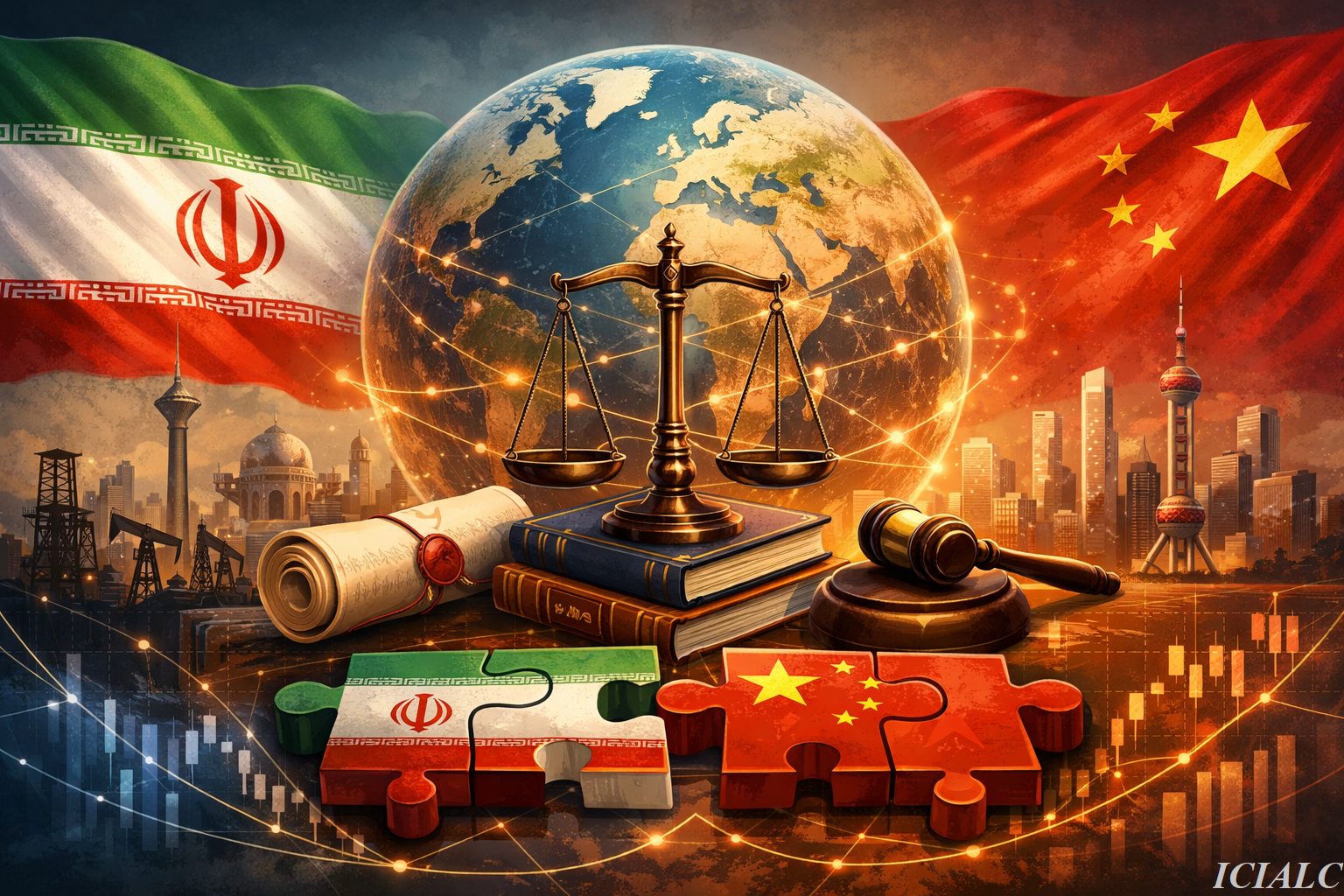
Systematic analysis of arbitral awards serves as a preventive risk management tool for future Iran–China commercial relations. Unlike traditional views of arbitration as purely reactive, past awards provide predictive value by revealing the reasoning patterns, evidentiary standards, and interpretive preferences of arbitrators.
This knowledge supports the drafting of realistic contracts aligned with arbitral practice, reducing uncertainty and interpretive disputes. It also identifies legal risk hotspots—such as documentation gaps, ambiguity in financial clauses, and cultural misunderstandings—allowing contractual and operational adjustments before disputes arise.
Moreover, familiarity with arbitral jurisprudence enables more strategic advocacy, including targeted evidence selection, argument structuring, and informed arbitrator choice. In this sense, arbitration evolves from a reactive process into a manageable and predictable component of international business risk governance.
Conclusion
The analysis of arbitral awards concerning Iran–China disputes demonstrates that international arbitration is not merely a dispute resolution mechanism but a rich source of legal knowledge and practical guidance. Arbitral awards reflect the lived experiences of commercial cooperation between the two nations and provide empirical bases for identifying behavioral patterns, contractual deficiencies, and effective dispute-resolution strategies.
Extracting doctrinal and operational lessons from these awards enhances contractual quality, legal transparency, and dispute predictability. Ultimately, it fosters mutual trust—a prerequisite for sustainable commercial and investment cooperation. From this perspective, the analytical study of arbitral awards is both a scholarly and strategic instrument for risk management, contractual governance, and the strengthening of Iran–China economic relations.