 FA
FA
Introduction
The principle of good faith is one of the most fundamental concepts in contemporary private law, particularly in the field of contracts and the resolution of commercial disputes. This principle extends beyond the stage of contract formation to encompass its interpretation, performance, and termination, and is recognized as a standard for assessing the fair and honest conduct of the parties. In international commercial arbitration—which is founded upon mutual trust, procedural efficiency, and flexibility—the role of good faith becomes even more prominent. Honest conduct by the parties, abstention from the abuse of procedural and substantive rights, and cooperation in the fair advancement of arbitral proceedings are all manifestations of the operation of the principle of good faith in arbitration.
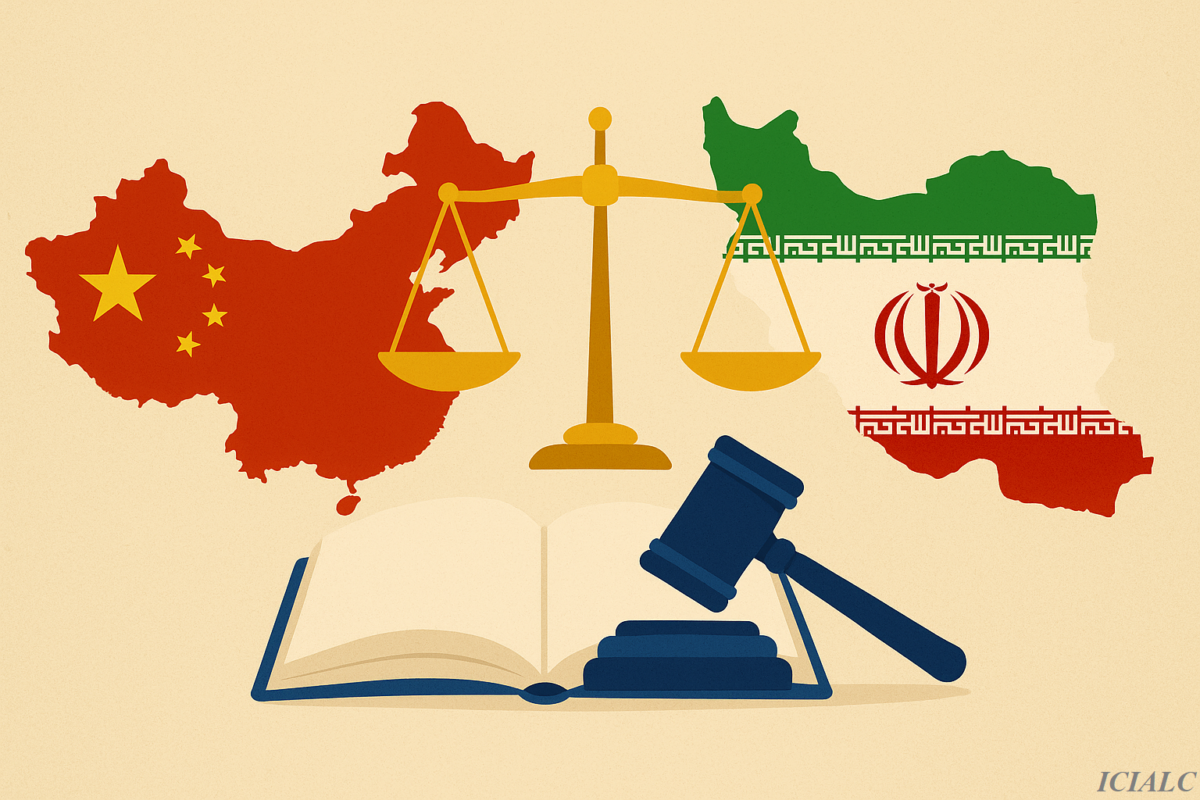
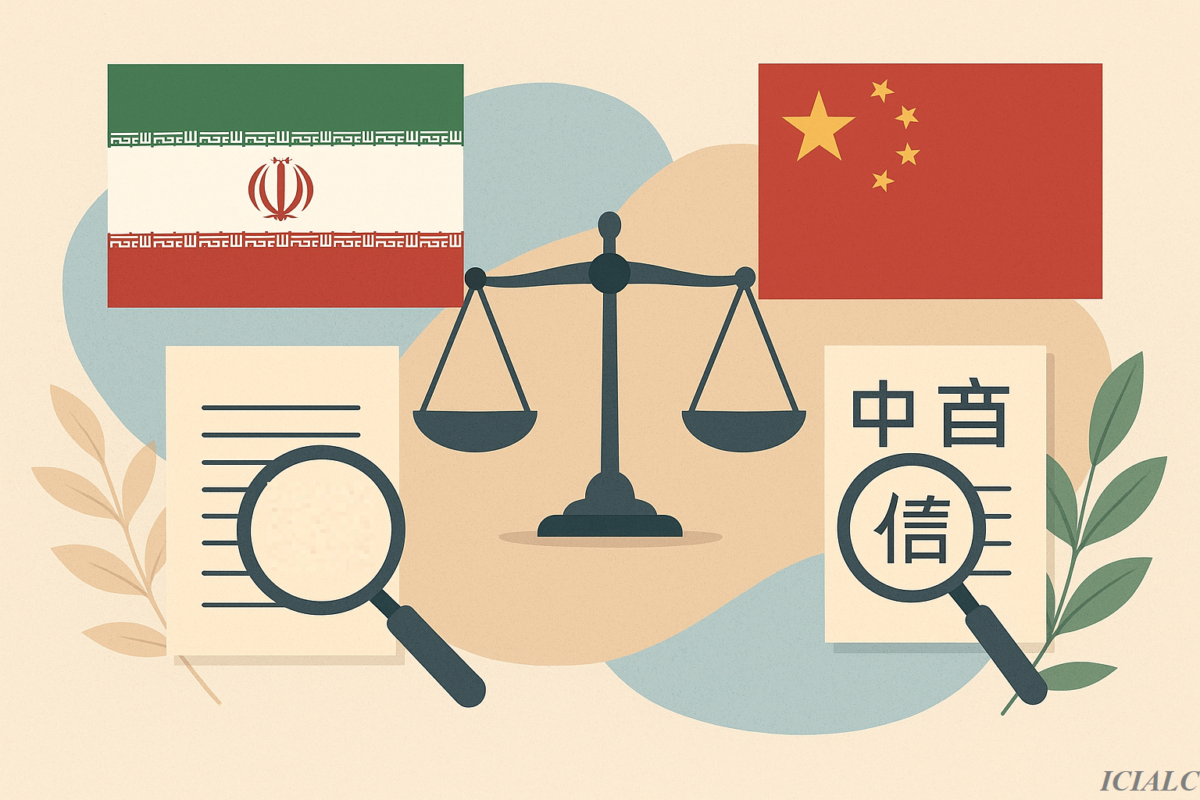
With the expansion of commercial relations between Iran and China within the framework of bilateral and regional cooperation, understanding the foundations and functions of the principle of good faith in the legal systems of both countries has gained practical significance. Disputes arising from investment contracts, supply agreements, infrastructure projects, and industrial cooperation are frequently resolved through arbitration. Accordingly, a comparative analysis of the position of good faith in Iranian and Chinese arbitration law can contribute to reducing dispute-related risks, enhancing the predictability of outcomes, and strengthening mutual trust among commercial actors. This article seeks, through an analytical and comparative approach, to examine the theoretical foundations and practical functions of this principle within the two legal systems.
Theoretical Foundations of the Principle of Good Faith in Arbitration Law
An examination of the theoretical foundations of the principle of good faith in arbitration law requires simultaneous attention to its historical roots, jurisprudential sources, and developments in comparative law. As a fundamental standard for evaluating the conduct of the parties in contractual relationships and arbitral proceedings, this principle plays a decisive role in ensuring procedural justice and the effectiveness of dispute resolution mechanisms. An analysis of the position of good faith in the legal systems of Iran and China, as well as in international arbitration instruments, demonstrates that despite structural differences, there exists a shared tendency toward reinforcing honest conduct, prohibiting the abuse of rights, and protecting the legitimate expectations of the parties. Clarifying these foundations therefore provides the necessary theoretical framework for understanding the practical functions of good faith in commercial arbitration.
Jurisprudential and Legal Roots of Good Faith in the Iranian Legal System
In Iranian law, although the term “good faith” is not explicitly employed in all statutory texts, concepts such as the obligation to perform contracts in good faith (pacta sunt servanda), the prohibition of harm to others, the la darar rule, the prohibition of the abuse of rights, and the principle of equity constitute the jurisprudential and legal foundations of this principle. These foundations indicate that Iranian law possesses the necessary conceptual capacity to recognize good faith as a governing principle in contractual relations and arbitration. Legal doctrine, drawing inspiration from comparative law, has likewise analyzed good faith as a standard for interpreting obligations, assessing the conduct of the parties, and preventing legal fraud. In the field of arbitration, these foundations are reflected in the obligation of the parties to act fairly, to present evidence honestly, and to cooperate in the discovery of the truth.
The Position of the Principle of Good Faith in Chinese Civil and Commercial Law
In the Chinese legal system, the principle of good faith enjoys an explicit and fundamental status and is recognized in civil and commercial legislation as one of the general principles governing private legal relations. This principle obliges the parties to honesty, contractual loyalty, informational transparency, and the avoidance of opportunistic behavior. Chinese judicial and arbitral practice extensively relies on this principle in interpreting contracts, assessing the validity of claims, and determining civil liability. The Chinese legislature’s emphasis on trust in commercial transactions reflects the close connection between economic development and the governance of good faith in private relations.
Reflection of the Principle of Good Faith in International Arbitration Instruments
In international arbitration instruments, although the term “good faith” may not always be explicitly stated, concepts such as fair treatment, equality of the parties, the prohibition of dilatory tactics, and the obligation to cooperate in the proceedings are all manifestations of this principle. International arbitrators likewise rely on the standard of good faith in practice to control procedural abuses, evaluate evidence, and even allocate arbitration costs. Accordingly, good faith may be regarded as one of the unwritten yet highly influential principles of the international arbitration order.
Functions, Challenges, and Solutions Relating to the Principle of Good Faith in Arbitration

The principle of good faith is not merely an ethical standard in commercial relations; it plays a practical and decisive role in the effectiveness of arbitral proceedings. Observance of this principle by both the parties and arbitrators facilitates the conduct of proceedings, enhances the credibility of arbitral awards, and reduces potential disputes. Nevertheless, existing challenges and legal gaps in the arbitration systems of Iran and China may hinder the full realization of these objectives. An analysis of practical functions, a comparative examination of similarities and differences, and the identification of legal deficiencies make it possible to propose effective solutions for strengthening good faith. Consequently, this section adopts an analytical approach to examine the practical dimensions, challenges, and methods for enhancing good faith in commercial arbitration in Iran and China, with the aim of providing a comprehensive framework for the fair and effective management of arbitral proceedings.
Functions of the Principle of Good Faith in the Arbitral Process
This section examines the practical functions of good faith at various stages of commercial arbitration. Attention to honest conduct by the parties, performance of contractual obligations, and abstention from the abuse of rights plays a significant role in enhancing the effectiveness of arbitration and reducing disputes. An analysis of these functions in Iran and China demonstrates that good faith is not merely an ethical principle but a practical and binding instrument for the effective management of arbitral proceedings.
Comparative Analysis of the Iranian and Chinese Approaches
A comparative analysis of the position and function of good faith in Iranian and Chinese arbitration reveals both structural and procedural similarities and differences. This analysis contributes to identifying opportunities and challenges for the harmonization of arbitral practices and the enhancement of predictability in outcomes, thereby facilitating the development of bilateral commercial cooperation.
Effects of the Principle of Good Faith on the Validity and Enforcement of Arbitral Awards
This section examines the impact of compliance with or violation of the principle of good faith on the validity, recognition, and enforcement of arbitral awards. An assessment of the role of this principle in courts, arbitral institutions, and international instruments demonstrates that good faith is not merely an ethical benchmark but a key element in ensuring the effective enforcement of arbitral awards.
Existing Challenges and Legal Gaps
An examination of the challenges and gaps in the implementation of the principle of good faith enables the identification of weaknesses and limitations within the current arbitration systems of Iran and China. This analysis can serve as a basis for developing practical solutions and for formulating behavioral and legal standards applicable to both parties and arbitrators.
Strategies for Strengthening the Principle of Good Faith in Arbitration in Iran and China
This section discusses legal, institutional, and educational strategies for reinforcing the role of good faith in commercial arbitration in Iran and China. These strategies include the formulation of codes of conduct, the development of specialized training programs, and alignment with international standards.
Conclusion
The findings of this analysis demonstrate that the principle of good faith constitutes a decisive pillar of effective commercial arbitration. The comparative examination of Iran and China underscores that, despite structural differences, there exists substantial capacity for the recognition and reinforcement of this principle. Enhancing transparency, developing professional practice, and strengthening legal education can contribute to reducing disputes and increasing mutual trust in bilateral commercial relations.