 FA
FA
With the expansion of commercial, industrial, and investment relations between Iran and China, the use of bilingual contracts (Persian-Chinese or English-Chinese) has become commonplace. These contracts, due to linguistic, legal, and cultural differences between the parties, are perpetually susceptible to translation errors.
In many instances, fundamental disputes between the parties arise not from explicit breaches of contract, but from divergences in the interpretation of translated provisions. This issue assumes heightened significance in the arbitration process, where precise interpretation of the contract text plays a pivotal role.
The present article examines the nature of translation errors in bilingual Iran-China contracts, analyzes their legal and practical implications in the arbitration process, and concludes by offering strategies to mitigate these challenges.
Nature and Types of Translation Errors in Bilingual Contracts
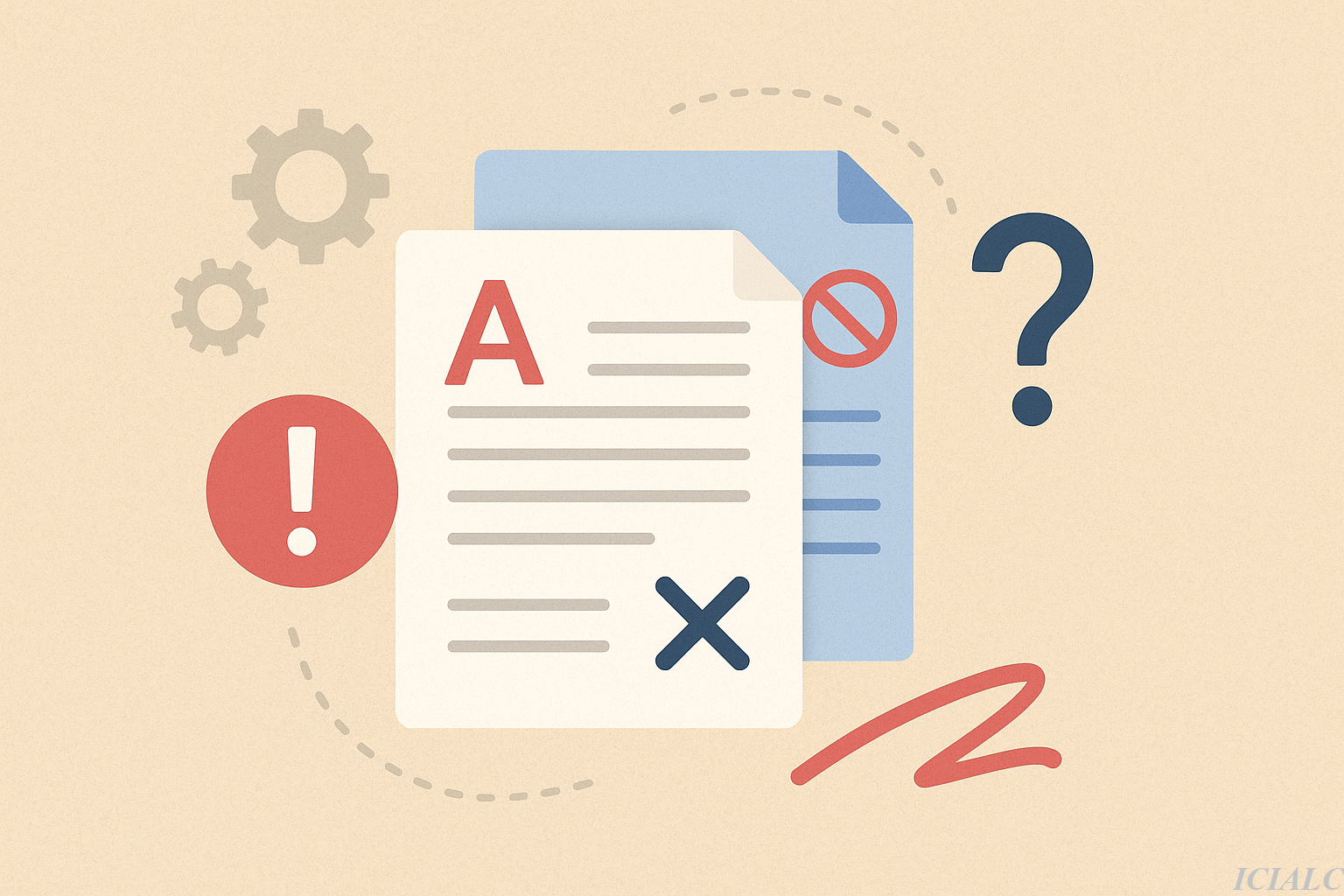
Translation errors in bilingual contracts, particularly in contractual relations between Iran and China, stem not merely from the translator’s linguistic deficiencies, but often from profound linguistic, conceptual, and structural differences in the legal systems of the parties. Such errors can alter the essence of contractual obligations, shift the scope of liabilities, and ultimately lead to serious disputes during execution or arbitration.
From the perspective of contract law and arbitration, the precise identification of these error types is essential for preventing and managing disputes. The principal types of translation errors in bilingual contracts are as follows:
Lexical Errors and Incorrect Equivalents for Legal Concepts
One of the most prevalent and perilous types of translation errors is the selection of imprecise lexical equivalents for specialized legal concepts. Many legal terms used in the Iranian and Chinese legal systems carry specific conceptual, historical, and precedential connotations that lack direct one-to-one equivalents in the other language.
Literal translation of these concepts, without regard to their legal function, can result in the inaccurate conveyance of meaning and engender ambiguity regarding the scope of the parties’ obligations. For instance, terms related to liability, damages, remedies, or contract termination have divergent legal effects in each system, which mere verbatim translation cannot adequately reflect. Such errors in arbitration typically lead to disputes over the nature and extent of obligations.
Syntactic and Structural Errors in Drafting Contractual Sentences
Fundamental differences in sentence structure among Persian, Chinese, and English create fertile ground for syntactic and structural errors in contract translations. Misplacement of temporal, spatial, or conditional qualifiers; omission or alteration of exception placements; or improper differentiation of conditional clauses can fundamentally distort the meaning and legal effect of a contractual provision.
In numerous cases, such errors cause an obligation that is limited or conditional in the original version to appear absolute or expansive in the translated version. This issue directly impacts the determination of liabilities and recoverable damages in arbitration, compelling the arbitrator to engage in intricate linguistic and legal interpretations.
Conceptual Errors Arising from Differences in Legal Systems
Certain translation errors do not originate from linguistic shortcomings but from a failure to comprehend structural disparities between the Iranian and Chinese legal systems. Concepts such as good faith, force majeure, contractual liability, material breach, or foreseeable damages are defined, delimited, and effectuated differently in each system.
Translating these concepts without regard to the governing legal context may lead the parties to hold entirely divergent understandings of their rights and obligations. In arbitration, this type of error often results in disputes over the interpretation of governing principles and even the applicable law, potentially fundamentally influencing the outcome of the proceedings.
Unintentional Omission, Addition, or Alteration of Contractual Provisions
In some bilingual contracts, the translated version does not precisely mirror the original text but includes extraneous explanations, summaries, or omissions of initial provisions. This may arise from the translator’s attempt to simplify the text or compensate for linguistic ambiguities, but from a legal standpoint, it can prove highly problematic.
The presence of such discrepancies between language versions raises conflicts among contractual texts in arbitration, with each party potentially relying on the version that best serves its interests. Absent explicit designation of the governing language or interpretation rules, this situation increases the complexity, cost, and duration of arbitration proceedings.
Distinctive Features of Translating Iran-China Contracts

The translation of contracts concluded between Iranian and Chinese parties possesses unique characteristics due to profound linguistic, legal, and cultural differences, distinguishing it from the translation of other international contracts. Neglect of these features can lead to ambiguities, interpretive disputes, and ultimately, recourse to arbitration forums.
Fundamental Differences in Chinese and Persian Legal Language Styles
Chinese legal language, particularly in contractual texts, is characterized by conciseness, brevity, and heavy reliance on context. Many legal concepts are expressed implicitly, with precise interpretation requiring familiarity with legal customs, judicial practice, and the prevailing contractual environment.
In contrast, Persian legal language (and English as a common intermediary) tends toward explicitness, elaboration, and direct clarification of obligations. This stylistic divergence means that direct translation without conceptual adaptation results in either excessive brevity or unnecessary elaboration, potentially disrupting contractual equilibrium.
Heavy Reliance of Contractual Provisions on Legal Context and Commercial Custom
In many Chinese contracts, a substantial portion of meaning is conveyed through commercial customs, industry practices, and shared party presumptions. By contrast, contracts drafted in the Iranian or Western legal style endeavor to incorporate all details explicitly in writing.
Failure to account for this difference during translation can lead to the omission of implicit concepts or, conversely, the addition of explanations absent from the original text. Such alterations, particularly in arbitration, may precipitate disputes over the scope of obligations and party rights.
The Role of the Intermediary Language and Heightened Translation Risk
The use of an intermediary language, particularly English, is commonplace in Iran-China contracts. While this approach facilitates communication in practice, from a legal and translational perspective, it introduces compounded risks of semantic distortion.
In such cases, the contract is effectively transferred from one legal language to the intermediary and then to another. Each stage heightens the likelihood of conceptual imprecision, alteration of legal connotations, and new ambiguities. In arbitration, this can engender conflicts among language versions and complicate determination of the authentic text.
Cultural Differences in Contract Drafting and Interpretation
The legal and commercial cultures of Iran and China exhibit significant variances in their approach to contracts, the role of written text, and the flexibility of obligations. Chinese parties may often view the contract as a general framework for collaboration, to be fleshed out in practice through good faith and commercial custom, whereas Iranian parties expect all obligations and remedies to be precisely and bindingly articulated in the text.
This perceptual difference manifests in the translation process and can yield divergent interpretations of a single provision. In arbitration, such cultural discrepancies typically emerge as interpretive disputes, compelling the arbitrator to examine the cultural context and governing commercial customs.
Direct Impact of These Features on the Arbitration Process
The foregoing features elevate the translation of Iran-China contracts beyond a mere linguistic exercise, transforming it into a determinative factor in the fate of arbitration disputes. Any oversight of these elements can exacerbate interpretive disputes, prolong proceedings, and yield awards perceived as unfair by one party.
Implications of Translation Errors on Contract Interpretation in Arbitration

In arbitration proceedings, the contract text constitutes the primary and foremost source for ascertaining the parties’ rights and obligations, forming the foundation of the arbitrator’s decision-making. In bilingual contracts, any translation error can undermine this interpretive basis and fundamentally affect the arbitration trajectory. The implications of translation errors on contract interpretation in arbitration may be examined across several principal axes:
Disruption in Ascertaining the Parties’ True and Common Intent
A foundational principle in contract interpretation, particularly in arbitration, is the discovery of the parties’ true and common intent at the time of contract formation. The existence of two or more language versions inconsistent in meaning or scope of obligations renders this process exceedingly arduous for the arbitrator.
Under such circumstances, the arbitrator must look beyond the contract’s plain text to extrinsic evidence, pre-contractual correspondence, commercial customs, and party conduct. This not only complicates proceedings but can also undermine the predictability of arbitration outcomes.
Conflicts Among Language Versions and Disputes Over Reliance
In many arbitration claims arising from bilingual contracts, each party relies on the language version favoring its interpretation. This conflict intensifies absent an explicit clause designating the governing language or rules for resolving inter-version discrepancies.
The arbitrator must then simultaneously examine all language versions, employing complex interpretive principles such as restrictive or expansive construction, good faith, and interpretation in favor of the obligee or obligor. This can heighten the risk of arbitrator disagreement and challenges to the award.
Direct Impact on the Validity and Enforceability of Contractual Obligations
Ambiguities, inconsistencies, or inadequacies from translation errors may render certain contract provisions lacking requisite certainty or effective enforceability. In some instances, the arbitrator may adopt a restrictive interpretation of obligations due to grave ambiguity or even question the validity of specific clauses.
Such outcomes can disrupt contractual balance and substantially curtail one party’s rights. Moreover, an award based on ambiguous or contradictory text may encounter legal challenges during recognition and enforcement.
Escalation of Costs and Prolongation of the Arbitration Process
Translation-related disputes typically transform straightforward legal disputes into multifaceted, complex cases. The arbitrator or tribunal is compelled to engage linguistic experts, sworn translators, and comparative law specialists.
This not only inflates direct arbitration costs but also significantly extends procedural timelines. Consequently, one of arbitration’s core advantages—speed and efficiency—is overshadowed by translation disputes.
Impact on the Quality and Acceptability of the Arbitral Award
Ultimately, translation errors can affect the quality of reasoning and acceptability of the arbitral award among the parties. An award predicated on a contentious interpretation of divergent language versions may be deemed unfair by one party, fostering grounds for challenge or resistance to enforcement.
Translation Errors and Legal Liabilities in the Arbitration Process

Translation errors in bilingual contracts can give rise to diverse legal liabilities for the parties, and even the translator or legal counsel. In certain cases, inaccurate or incomplete translation of contract provisions may constitute a breach of contractual duties or professional negligence, particularly if it occasions loss to a party.
Conversely, parties may invoke translation errors as a legal defense, asserting that the disputed obligation did not reflect their true agreement. Such arguments can directly influence the arbitral award, though international arbitration practice indicates that arbitrators address them cautiously, scrutinizing evidence and contractual indicia. If the error’s material impact on intent and agreement is proven, the arbitrator may account for it in the award, adjusting damages or interpretations accordingly.
Thus, proper translation management and assurance of legal conceptual accuracy not only avert disputes but also mitigate risks of legal and professional liability for translators and contract counsel.
The Governing Language of the Contract and Its Role in Mitigating Translation Disputes

One of the most effective and routinely recommended tools for managing translation error risks is the explicit designation of the contract’s governing language. Incorporating a clause specifying which language version prevails in case of conflict dramatically reduces potential disputes and spares the arbitrator intricate analysis of conflicting versions.
In Iran-China contracts, one language (typically Chinese or English) is commonly designated as governing. Nevertheless, even with a governing language, the quality of non-governing translations remains critical, as these versions often underpin party references, practical implementations, and evidentiary submissions in arbitration.
Furthermore, incorporating interpretive clauses and specific rules for resolving linguistic conflicts clarifies the arbitrator’s discretion in translation disputes, expediting proceedings and enhancing predictability. These mechanisms, alongside specialist translators and legal counsel, substantially reduce risks and bolster legal security in bilingual contracts.
Strategies for Preventing Translation Errors in Iran-China Contracts
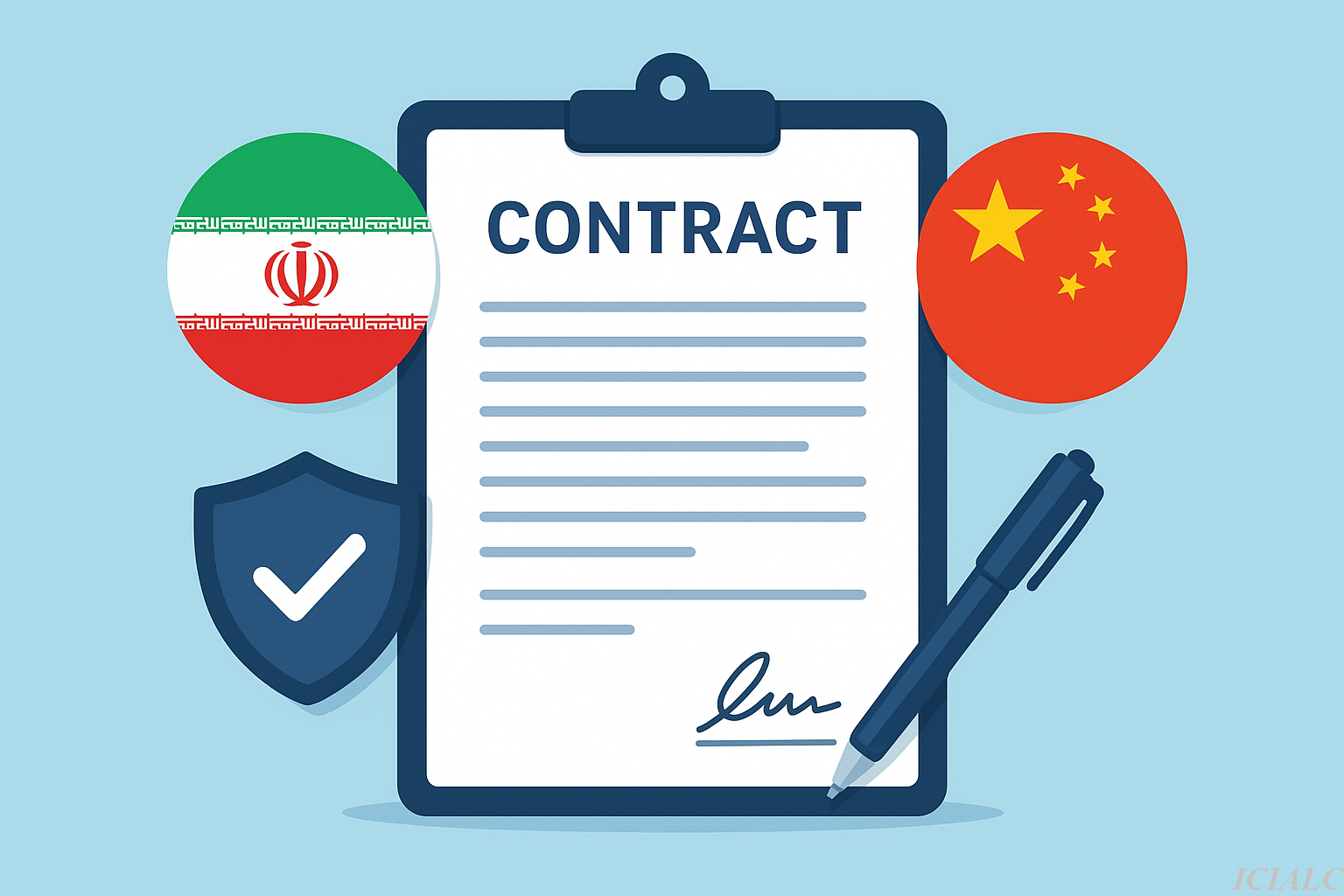
Given the extensive potential implications of translation errors on interpretation, obligation enforcement, and arbitration, adopting preventive strategies at the contract drafting and execution stage is imperative. The principal strategies are as follows:
Engagement of Specialized Legal and Arbitration Translators
Employing professional translators with legal expertise and practical experience in the Iranian and Chinese legal systems is the foremost and most critical measure to mitigate translation risks. The translator must possess not only linguistic proficiency but also familiarity with each system’s legal concepts and contractual terminology to furnish precise equivalents reflective of true legal connotations
Review of Translations by Bilingual Legal Experts
Following translation, review by bilingual legal professionals is essential to verify not only linguistic accuracy but also conceptual and legal precision. This review may encompass alignment of translated provisions with the original, ambiguity identification, and anticipation of potential conflicts.
Incorporation of Clear Clauses on Governing Language and Interpretation Rules
Bilingual contracts must include explicit clauses designating the governing language and authoritative version, along with interpretive provisions for resolving inter-version conflicts. This enables the arbitrator to apply a defined, predictable framework in translation disputes, thereby minimizing conflicts.
Utilization of Hybrid Dispute Resolution Mechanisms
Employing hybrid dispute resolution methods, such as mediation-arbitration (Med-Arb), can effectively manage language-based misunderstandings. Under this mechanism, disputes are first addressed amicably through mediation, escalating to arbitration if unresolved. This approach reduces costs and timelines while preserving commercial relations between parties.
Summary of Strategies
Implementation of these strategies not only diminishes translation dispute risks but also enhances legal security, transparency, and predictability in Iran-China bilingual contracts. These measures further pave the way for precise, equitable, and well-reasoned arbitral awards, averting procedural complexities.
Conclusion
Translation errors in Iran-China bilingual contracts rank among the most insidious factors precipitating contractual and arbitration disputes. These errors can influence contract interpretation, party intent determination, and even obligation validity.
Mindful contract language management, selection of specialist translators, and anticipation of appropriate legal mechanisms not only curtail arbitration risks but also fortify trust and enduring commercial relations between Iran and China.